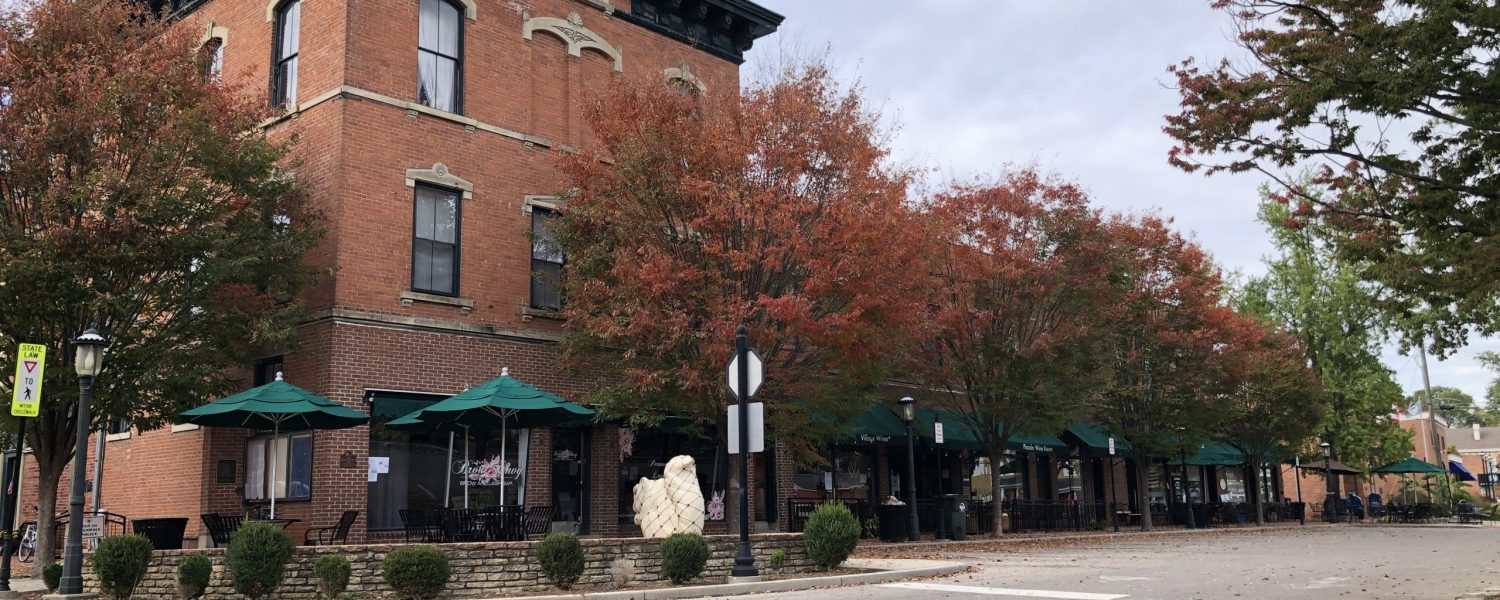
In an effort to maintain the village as “one of the finest residential areas of its size in the country”, the Village Council and Planning Commission, commissioned a Village Plan, by Harland Bartholomew Associates in 1944. The goal of the plan was to improve the quality of life for all its current and future citizens.
The Village hoped to implement the following changes to the education system in order to provide a more appropriate educational experience for the local Negro children:
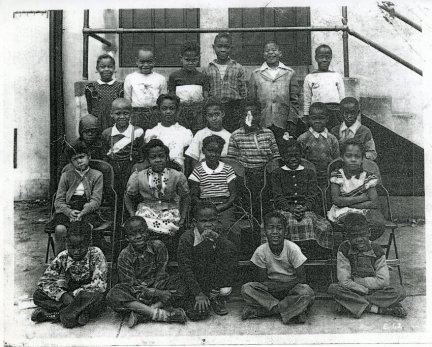
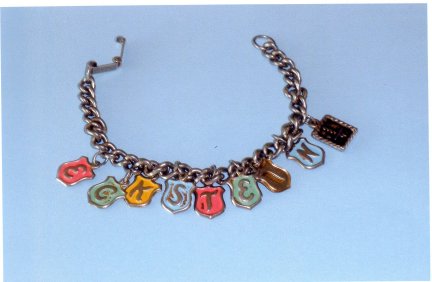
“The present school system is not considered to be satisfactory in its provision for the large Negro population within the village. While the Eckstein School is entirely devoted to Negroes, it is an elementary school only and as such does not meet the needs of many Negro youth of the Village. Futhermore, the high school curriculum of Congress Avenue School does not meet the needs and the small high school enrollment reduces the possibilities of electives. An extension of the Eckstein program is recommended to include grade nine and ten. During these grades Negroes should be given a type of education that will be more practical benefit to them in the future. The facilities at Eckstein should be enlarged to provide for this type of education. This plan could well meet the needs of Glendale Negro youth until the time when a Negro high school is developed, as it should be, in the northern part of Hamilton County to serve Glendale and other Negro youth of this area.”
Ray Terrell was born in Glendale in 1935. In his book Cultural Proficient Leadership: The Personal Journey Begins Within (2009) he says that while growing up in Glendale during the 1940s and 1950s:
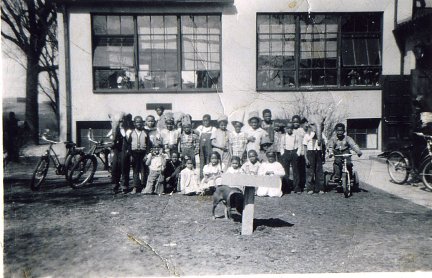
“There were three primary institutions in the Negro community, Mt. Zion Baptist Church, Quinn Chapel African Methodist Episcopal Church, and the Eckstein School, which was a four room, Grade 1 – 8 elementary school with two grade levels in each class.”
While he enjoyed his time at Eckstein and has fond memories of the school, he believes that:
“it served a highly sophisticated function of sorting and determining who would get passage to move on to Glendale High School.” And that “there was a practice implemented in my seventh/eighth grade classroom where the principal, who lived in the house next-door to the school, would call roll in the morning and assign domestic work and yard work to half of my class and indicate that they would be pursuing careers as domestics and yard boys in the near future and needed to hone those skills. The rest of us would remain and engage in academic pursuits.”
Ray survived the ‘sorting machine’ and moved on to Glendale High. Four of the eighteen students in his graduating class were Negroes. He recalls that teachers at Glendale High “indicated that they expected high achievement from all students present including the Negro students.” While athletic activities were desegregated, dances and other social activities were not, with a separate Negro prom being held in the gym back at Eckstein School.
Many Eckstein alumni remember the social segregation and recall how they could only use the local swimming pool one day per week, on the Monday. Then each Monday evening the pool was then drained, cleaned, and refilled for the rest of the community to use over the following week.