The location of Glendale was selected for its health, but residents had little defense against the epidemics that raged in the 19th and well into the 20th century. Even before Glendale existed cholera was present. A group of workmen building the railroad were struck in 1847 and many of them died.
One of the worst cholera epidemics was the Second Cholera Pandemic of the mid-1800s. The pandemic began in India, and then swiftly spread across the globe via trade routes. Settlers traveling along the Mormon and Oregon Trails brought cholera to the United States from East to West, killing an estimated 150,000 Americans (Beardslee, 2000).
To this day, cholera, an infection of the small intestine, still affects between three and five million people and causes nearly 130,000 deaths a year worldwide (CDC, 2011). However, the last documented outbreak in the United States was in 1911. (Mayo Clinic, 2011).
A well known story in Glendale, “A Wedding Without a Bride and a Funeral Without a Corpse” is that of Sally Harkness.
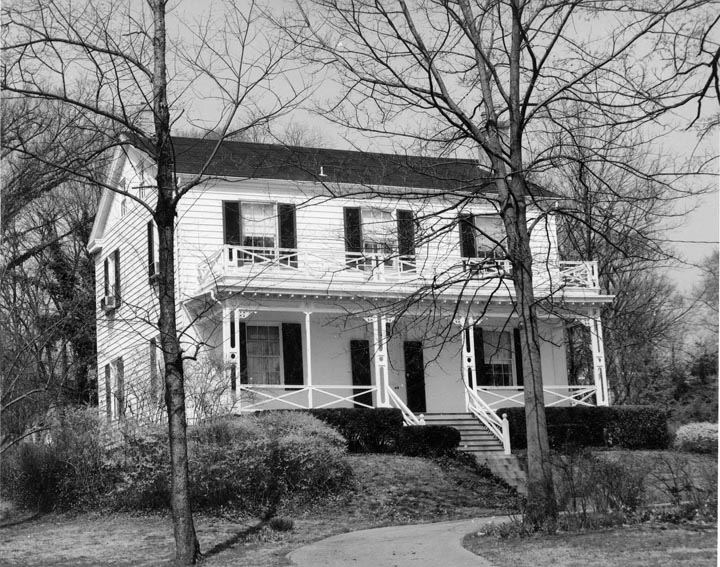
In 1868, on the day before her wedding, Sally Harkness, who was the grand niece of Anthony Harkness, became very ill. She would not postpone her wedding. Before the guests arrived, she was carried downstairs to the parlor. The wedding was held in the parlor with the door closed and the bride was carried back upstairs, so the guests did not see her at all. When she was well enough to travel, she and her bridegroom left for Kansas. A short time later, she died of cholera. Her body was placed in a sealed casket and shipped home. Since the weather was very hot, it was stored in the icehouse while the service was held in the Harkness home.